












Buying an e‑bike in Germany is not just about battery size or motor power. It’s about legal class (Pedelec vs S‑Pedelec), StVZO compliance, local terrain, winter weather, and how serviceable your components are in German workshops. This 2026 guide gives you a clear, buyer‑focused framework: 7 factors + 6 tips, so you can choose the right e‑bike for your riding life and budget.
If you’re in a rush: Skip the deep dive and use the [Latest Quick Guide for Buying E-bike in Germany], and 60-second verification tool: [2026 E-Bike Buyer Checklist ]

What is an e‑bike in Germany? Pedelec vs S‑Pedelec
In Germany, the word “e‑bike” is used broadly, but the law draws a strict line between Pedelecs and S‑Pedelecs. Your legal category decides where you can ride, whether you need insurance, and if a driver’s license is required.
|
Category |
Pedelec (Standard) |
S‑Pedelec (Speed) |
|
Assist speed |
Up to 25 km/h |
Up to 45 km/h |
|
Max continuous motor power |
250W |
Typically higher, classed as motor vehicle |
|
Legal status |
Bicycle |
Motor vehicle |
|
Insurance plate |
Not required |
Required |
|
License |
Not required |
Class AM required |
|
Bike path access |
Allowed |
Usually prohibited |
What’s new for e‑bike riders in Germany in 2026
Two infrastructure trends are shaping German e‑bike commuting in 2026: faster city‑level cycling networks and the expansion of 30 km/h urban zones. This creates a real advantage for compliant 25 km/h Pedelecs on daily commutes. If you ride in cities or the Ruhr region, expect smoother, more predictable travel times.
7 key factors to choose the right e‑bike in Germany
1) Rider profile (body size, storage, and total system weight)
Start with fit and practicality. German frame sizes are measured in centimeters, so measure your inseam and confirm standover height. Check the “system weight” (bike + rider + cargo). If you plan to carry children or heavy loads, look for reinforced frames. Finally, consider where you store the bike: heavy cargo models are great for a garage, but a lightweight step‑through is better if you carry it into a basement daily.
2) Riding requirements (distance, frequency, and cargo needs)
Your daily distance and riding frequency define battery size and drivetrain choice. Short urban trips can use smaller batteries and simpler components. Long‑range commuting demands higher capacity and durable drive systems. If you ride in winter darkness, StVZO‑compliant lighting is mandatory. If you carry cargo, prioritize high torque and a reinforced rear rack.
3) Location and terrain (city cobblestones vs hills)
Germany’s riding terrain varies widely. Flat northern cities benefit from torque‑sensor motors for headwinds, while southern regions demand higher torque for steep climbs. In historic city centers, wider tires and micro‑suspension reduce fatigue on cobblestones. If you use trains (Deutsche Bahn), a folding or compact model saves space and hassle.
4) Weather resilience (rain, salt, and winter battery loss)
All‑weather riding requires good sealing and corrosion protection. An IP54 rating is a solid baseline for rain resistance. Winter road salt accelerates rust, so belt drives or fully protected chains reduce long‑term wear. Cold weather also reduces battery range, so plan for extra capacity if you commute year‑round.
5) E‑bike features and performance (what matters in real life)
Ignore marketing labels and focus on what you feel while riding: torque delivery, brake quality, and handling stability. Hydraulic brakes and a torque sensor usually deliver safer, smoother performance in city traffic. If you ride on rough roads, prioritize tire volume and frame geometry over flashy display features.
6) Price and total cost of ownership
The sticker price is only the start. In Germany, workshop labor can be expensive, so durability and low‑maintenance components often save more over time than a slightly cheaper bike. A removable battery also extends the bike’s usable life because you can replace the battery without replacing the whole bike.
7) Repair and warranty service
Serviceability matters. Favor standardized components and clear support channels that can ship replacement parts quickly. A bike that uses common drivetrains and sensors is easier to service at any local workshop, which reduces downtime during peak riding season.
Summary table: Match your needs to the right e‑bike type
|
Rider situation |
Best e‑bike type |
Key feature to prioritize |
|
Urban commuter (flat city) |
City Pedelec |
Torque sensor + StVZO lights |
|
Hilly region rider |
High‑torque Pedelec |
Motor torque + disc brakes |
|
All‑weather commuter |
Weather‑sealed commuter |
IP rating + corrosion protection |
|
Train + bike commuter |
Folding or compact e‑bike |
Low weight + easy carry |
|
Family/cargo use |
Cargo e‑bike |
High system weight + strong rear rack |
6 practical tips for buying an e‑bike in Germany (2026)
- Check local subsidies (Förderung). Programs vary by city and are often limited to cargo or family bikes.
- Understand the Dienstrad/JobRad leasing advantage. Salary‑sacrifice leasing can reduce total cost.
- Plan for battery scalability if you ride long distances or in winter.
- Insurance is essential for S‑Pedelecs and recommended for valuable Pedelecs.
- Prioritize serviceable component brands with strong German workshop networks.
- Test “Schiebehilfe” (walk assist) and real‑world handling before you buy.
Best e‑bike picks in Germany (with selection criteria)
Selection criteria: StVZO‑ready options, serviceable components, weather sealing, and strong value per Euro.
Best city e-bike: Fiido C11 Pro
Fiido C11 Pro - designed for urban commuting with a compact frame, integrated lighting, and solid weather resistance.
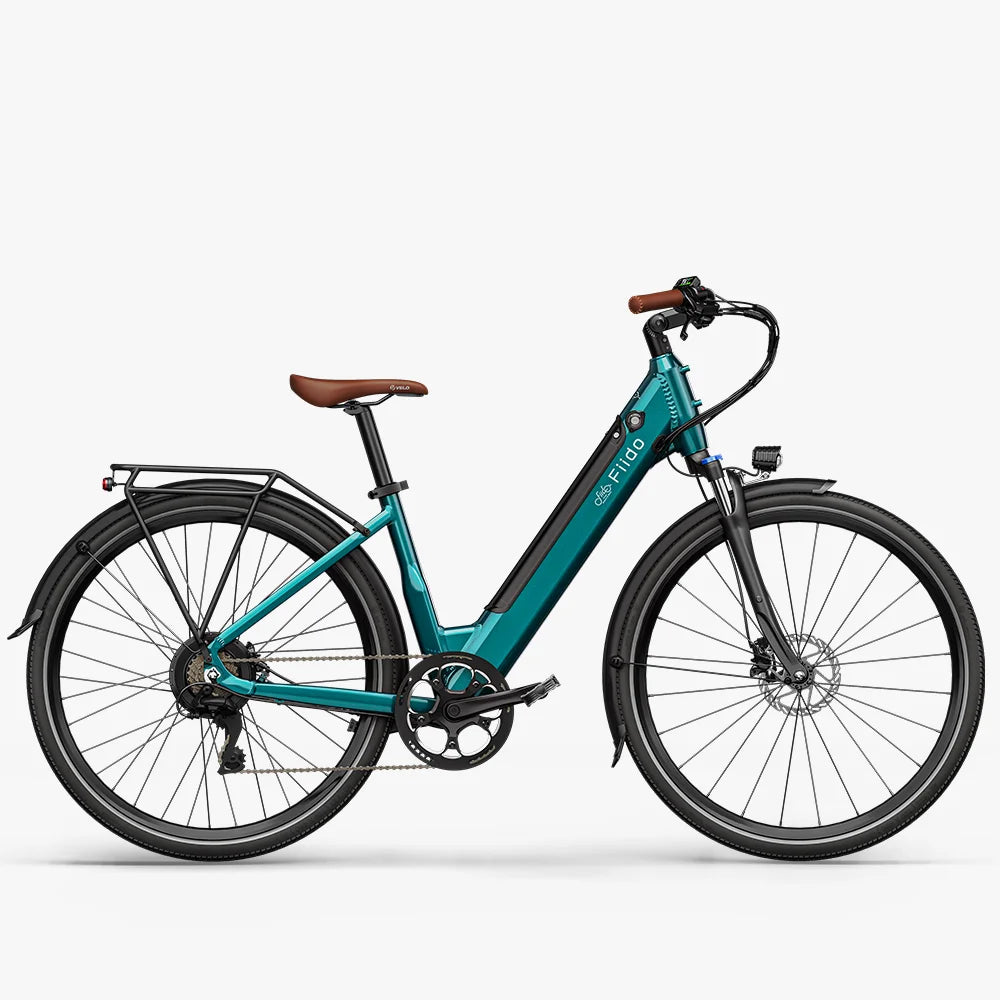
Fiido C11 Pro City E-bike
A powerhouse with a 400 km range and 4-piston brakes, ideal for hunting and fishing trips.
Reminder: Prices are subject to the product detail page ,some earlier card details may have been updated.
Best long‑range / heavy‑duty e-bike: Fiido Titan
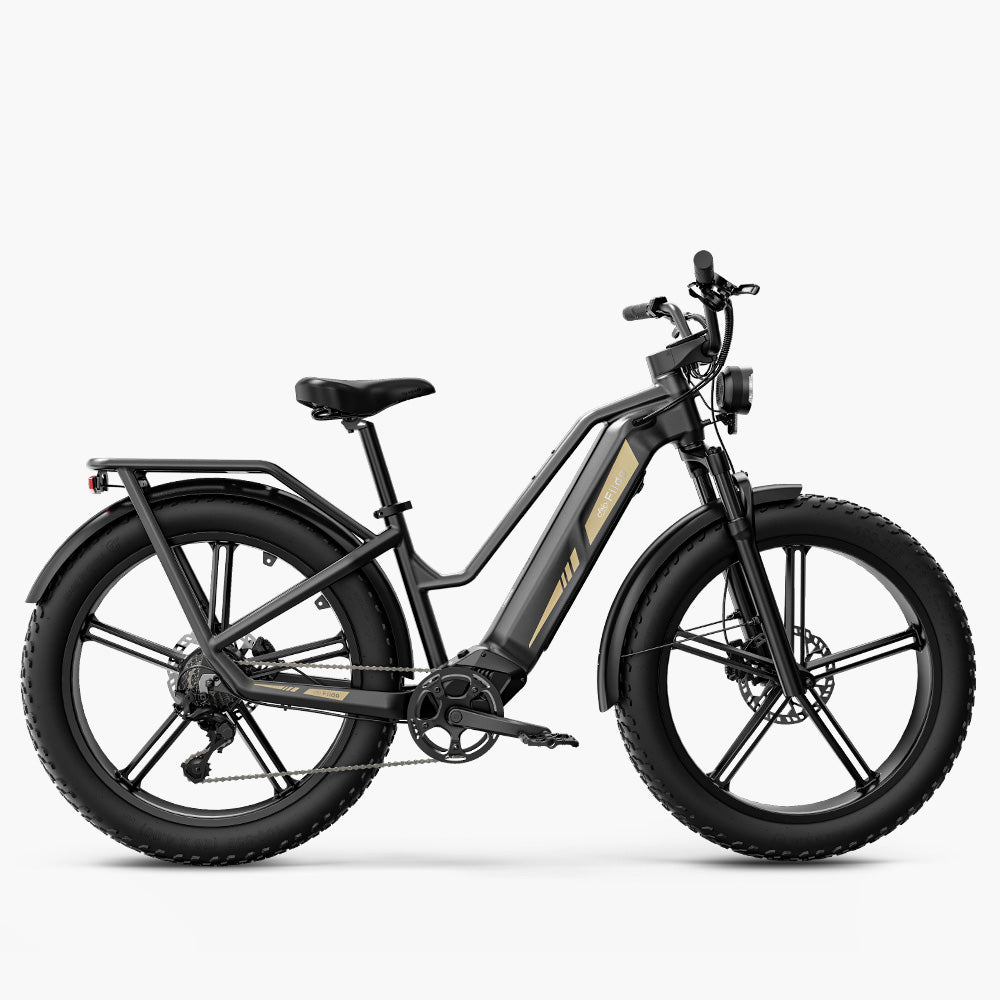
Titan Fat Tire Touring Ebike - Long Range
One of the worlds longest-range touring e-bikes, with superior cargo capability.
Reminder: Prices are subject to the product detail page ,some earlier card details may have been updated.
Fiido Titan - a high‑capacity, long‑range option with utility‑focused geometry.
FAQ: 10 common questions about buying an e‑bike in Germany
Do I need a driver’s license for a Pedelec?
No. Standard Pedelecs (25 km/h, 250W) are treated as bicycles in Germany.
Do I need an insurance plate?
Only S‑Pedelecs require an insurance plate (Versicherungskennzeichen).
Is StVZO compliance mandatory?
Yes. To ride on public roads and bike paths, your bike must meet StVZO lighting and safety rules.
How much does it cost to charge an e‑bike?
Charging cost depends on electricity price and battery size; check your local kWh rate for accurate cost.
Are there subsidies for private e‑bike buyers?
There is no national subsidy for private buyers, but many cities offer local programs.
What is Dienstrad/JobRad leasing?
It is a salary‑sacrifice leasing model that can lower the total cost through tax advantages.
Can I ride a Pedelec on forest paths?
Usually yes, unless a specific path is restricted. S‑Pedelecs are more limited.
How often should an e‑bike be serviced?
A yearly service or every 1,000 km is a common guideline.
Does IP54 mean I can leave the bike in heavy rain?
IP54 protects against splashes, but long exposure and winter freezing still require care.
Why are common component brands important?
Standardized components are easier and faster to service in local workshops.
Sources
· German Federal Ministry for Digital and Transport (BMDV) or official StVZO references for lighting rules.
· Local city subsidy portals for “Förderung” programs (e.g., Munich, Berlin, Hamburg).
· German electricity price statistics (2026) from a reputable energy regulator or statistical office.
· Official Dienstrad/JobRad leasing documentation for the 0.25% rule and tax mechanics.
· RS1 project and major municipal “Tempo 30” policy pages.
Checklist
Get the 2026 E‑Bike Buying Checklist for Germany to compare models, calculate total costs, and verify legal compliance in under 10 minutes.
Your new e-bike is waiting for you
Whether for commuting, leisure, or long tours – find the right e-bike for your needs now.
👉 Find the e-bike for your needs


