













Choose the Right Type of Electric Bike for Your Commute
Checklist for Choosing a City and Commuter Electric Bikes
| Does this describe your commuting needs? | Your score |
| My commute is mainly on paved roads, bike lanes or city streets. | ☐ 1 |
| I want a comfortable bike for regular trips to work, shops or other nearby destinations. | ☐ 1 |
| I have a suitable place to park and store a full-size bicycle. | ☐ 1 |
| I rarely need to carry my bike upstairs or lift it into a car. | ☐ 1 |
| I prefer a practical everyday setup over a bike designed primarily for rough terrain or heavy cargo. | ☐ 1 |
| Total | ___ / 5 |
-
4–5 points: A city or commuter e-bike should be one of your first options.
-
2–3 points: It may be suitable, but compare it with folding or utility-oriented models if storage or carrying needs are important.
-
0–1 point: Another bike style may match your routine more closely.
Best Electric Commuter Bikes: Fiido C11 Pro vs. Fiido C21 vs. Fiido Air
| Comparison factor | Fiido C11 Pro | Fiido C21 | Fiido Air |
| Best suited to | Riders who want a well-equipped everyday commuter | Riders who want a lightweight city bike for regular commuting | Riders who prioritize minimum bike weight |
| Bike weight | Approx. 54 lb (24.5 kg) with battery | Approx. 38.6 lb (17.5 kg) | Approx. 30.3 lb (13.75 kg) |
| Motor torque | 55 Nm | 22 Nm | 20 Nm |
| Pedal-assist sensor | Torque sensor | Torque sensor | Torque sensor |
| Battery | 499.2 Wh, removable | 208.8 Wh, non-removable | 208.8 Wh, non-removable |
| Published maximum range | Up to 64.85 miles | Check the current US product listing before publishing | Up to approximately 37.5 miles; verify the current US listing |
| Braking and everyday equipment | Hydraulic disc brakes, front suspension, rear rack | Check the selected version's equipment | Check the selected version's equipment |
| Main trade-off | Heavier than the C21 and Air, so less convenient to lift or carry | Smaller battery and non-removable battery may affect charging convenience and range flexibility | Lowest weight, but its smaller battery and shorter published range may not suit longer daily journeys |
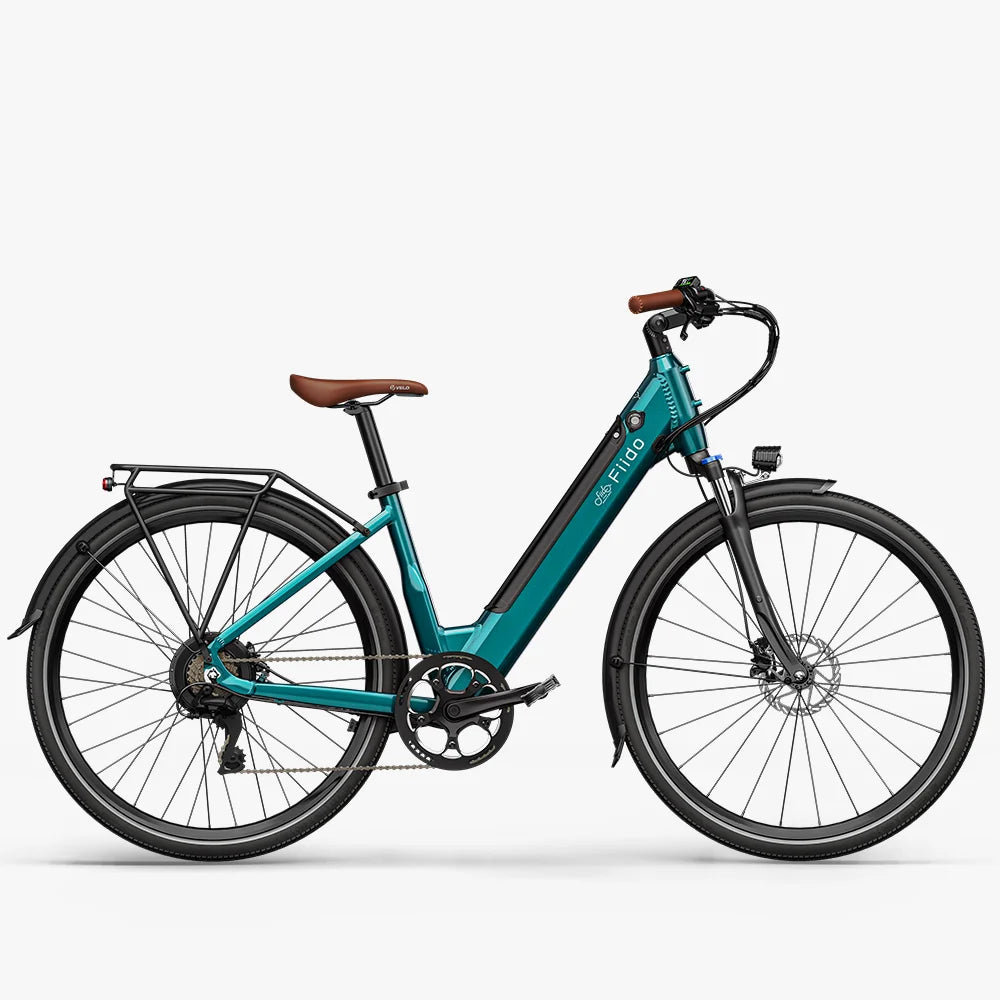
Fiido C11 Pro City E-bike
A powerhouse with a 400 km range and 4-piston brakes, ideal for hunting and fishing trips.
Reminder: Prices are subject to the product detail page ,some earlier card details may have been updated.
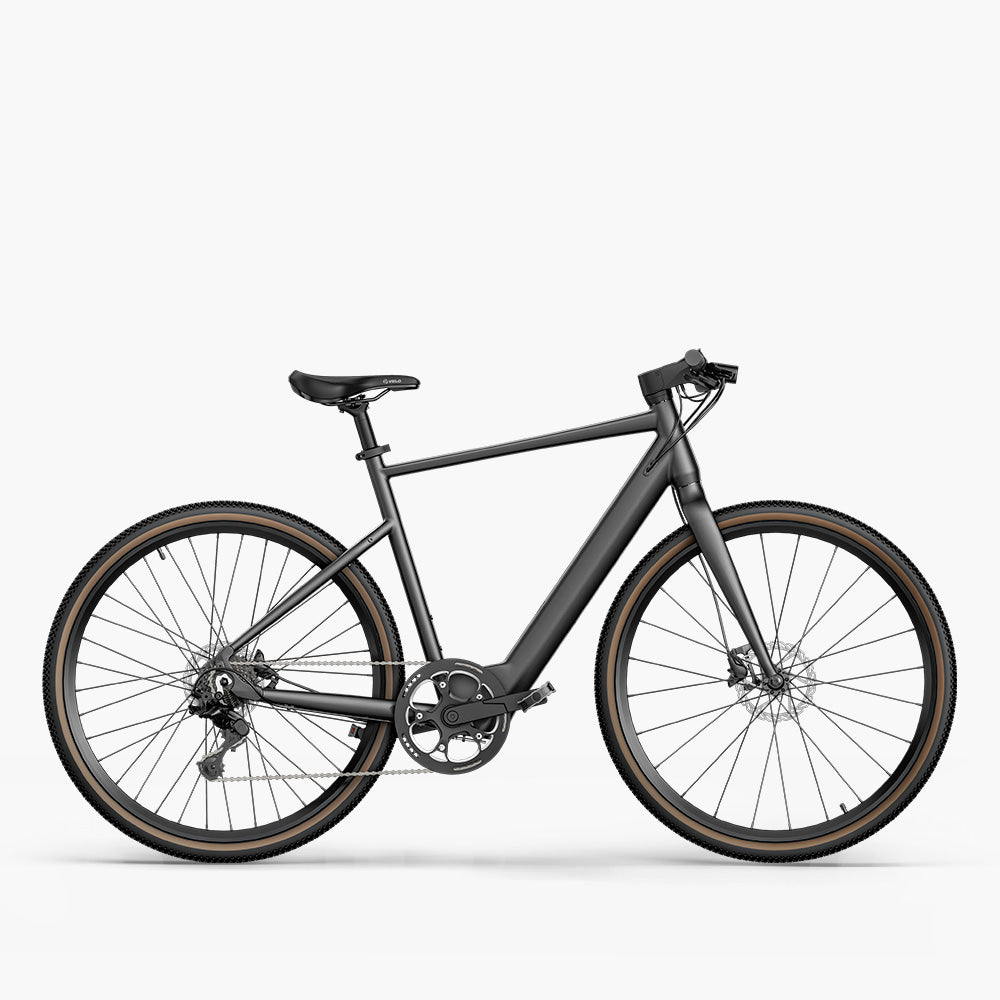
Fiido C21 E-gravel & city E-bike
Urban commuter electric bike with torque sensor, only 17.5kg.
Reminder: Prices are subject to the product detail page ,some earlier card details may have been updated.
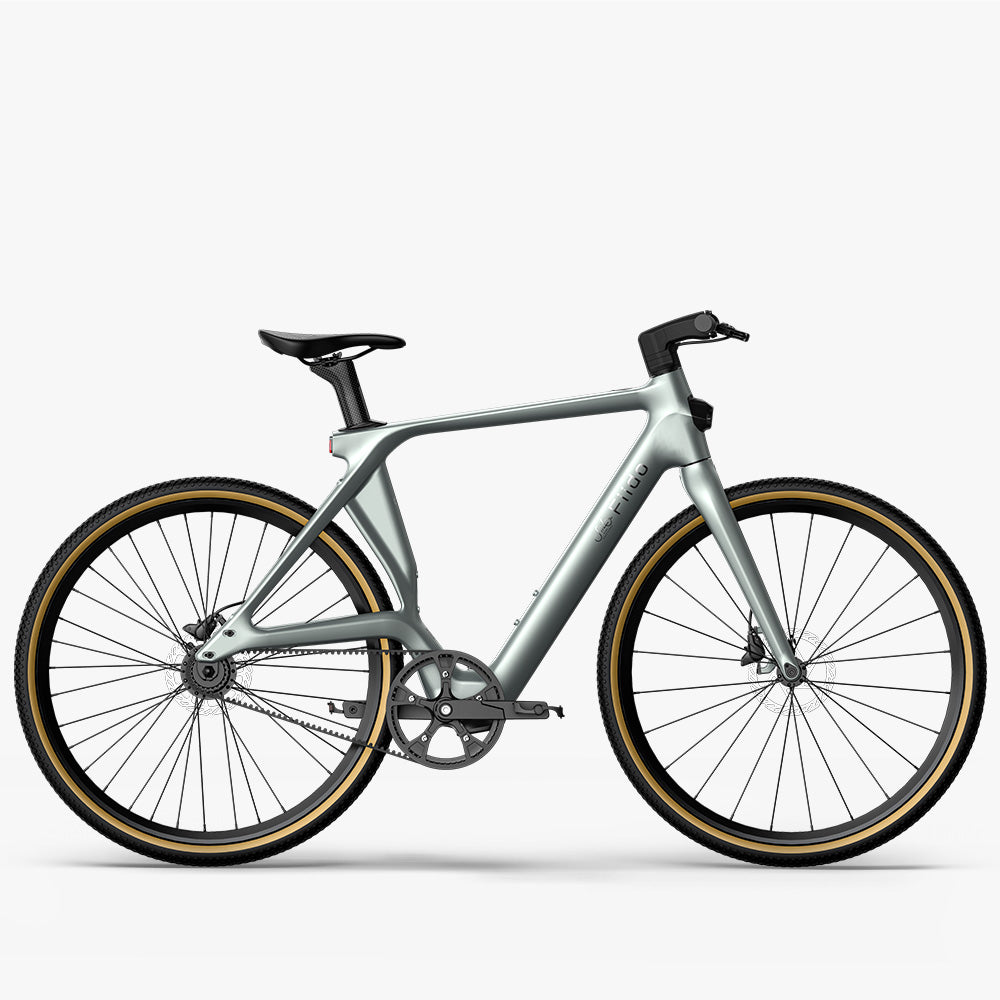
Fiido Air Carbon Fiber E-bike
A revolutionary lightweight bike, winner of the Red Dot Award.
Reminder: Prices are subject to the product detail page ,some earlier card details may have been updated.
Checklist for Choosing a Folding Electric Bikes
| Does this describe your commuting needs? | Your score |
| I have limited space at home or at work to store a full-size bicycle. | ☐ 1 |
| I need to fit my bike into a car trunk or another compact storage area. | ☐ 1 |
| I regularly combine cycling with another form of transport, where folding bikes are permitted. | ☐ 1 |
| I may need to carry or move my bike through stairs, elevators or narrow spaces. | ☐ 1 |
| I value compact storage enough to accept potential trade-offs in weight, wheel size or riding feel. | ☐ 1 |
| Total | ___ / 5 |
-
4–5 points: A folding e-bike deserves priority, provided its folded dimensions and weight suit your needs.
-
2–3 points: Consider a folding model if storage or transport is a recurring challenge; otherwise, compare it with a standard commuter e-bike.
-
0–1 point: A folding design may offer limited practical benefit for your routine.
Best Folding E-Bikes: Fiido D3 Pro vs. Fiido D11 vs. Fiido X vs. Fiido M1 Pro
| Comparison factor | Fiido D3 Pro | Fiido D11 | Fiido X | Fiido M1 Pro |
| Best suited to | Short urban trips and compact storage | Everyday commuting with a foldable frame | Riders who want a refined folding commuter with a torque sensor | Riders who want folding convenience with wide tires and suspension |
| Bike weight | Approx. 38.1 lb (17.3 kg) | Approx. 43.0 lb (19.5 kg) | Approx. 43.7 lb (19.8 kg) | Approx. 59 lb (26.8 kg) |
| Battery | 280.8 Wh; non-removable | 417.6 Wh; removable | 417.6 Wh; removable, with an anti-theft design | 556.8 Wh; removable |
| Published maximum range | Up to 20.5 miles | Up to 53.4 miles | Up to 80.8 miles | Up to 55.2 miles |
| Motor and pedal-assist sensor | 250 W motor; 35 Nm; cadence-based assistance | 250 W motor; 32 Nm; torque sensor | 250 W motor; 32 Nm; torque sensor | 500 W motor; 50 Nm; torque sensor |
| Tires and ride setup | 14 × 2.125-inch tires; compact mini-bike format | 20 × 1.75-inch tires; conventional urban setup | 20 × 1.95-inch tires; magnesium-alloy frame | 20 × 4.0-inch fat tires; front and rear suspension |
| Folded dimensions | Approx. 48.8 × 11.8 × 24.0 in | Approx. 33.1 × 15.7 × 29.1 in | Approx. 34.3 × 15.7 × 29.1 in | Approx. 39.8 × 20.1 × 30.3 in |
| Main trade-off | Smaller battery and non-removable battery limit range and charging flexibility | Heavier and less compact than the D3 Pro; less refined folding design than the X | Higher weight and a premium design may not be necessary for simple short trips | Substantially heavier and bulkier than the other three models |
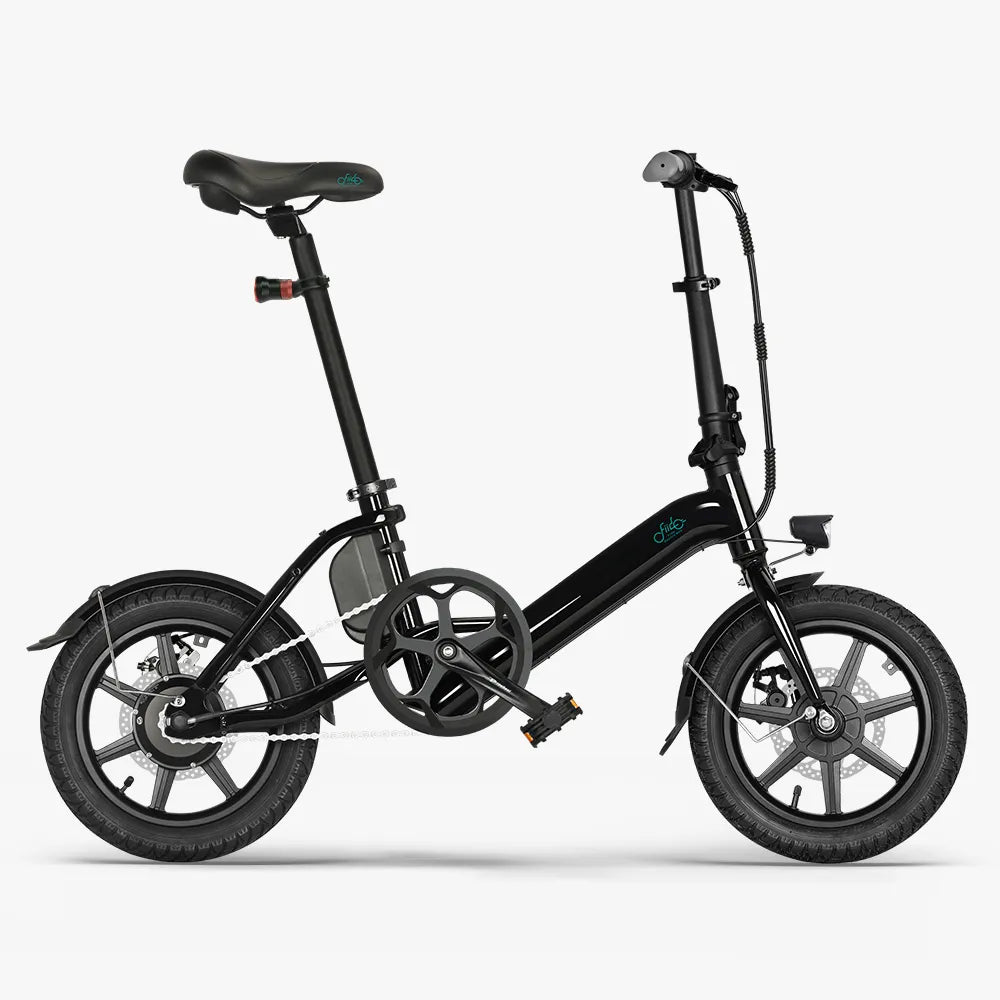
Fiido D3 Pro Mini Electric Bike
The most affordable and adorable Electric Bike
Reminder: Prices are subject to the product detail page ,some earlier card details may have been updated.
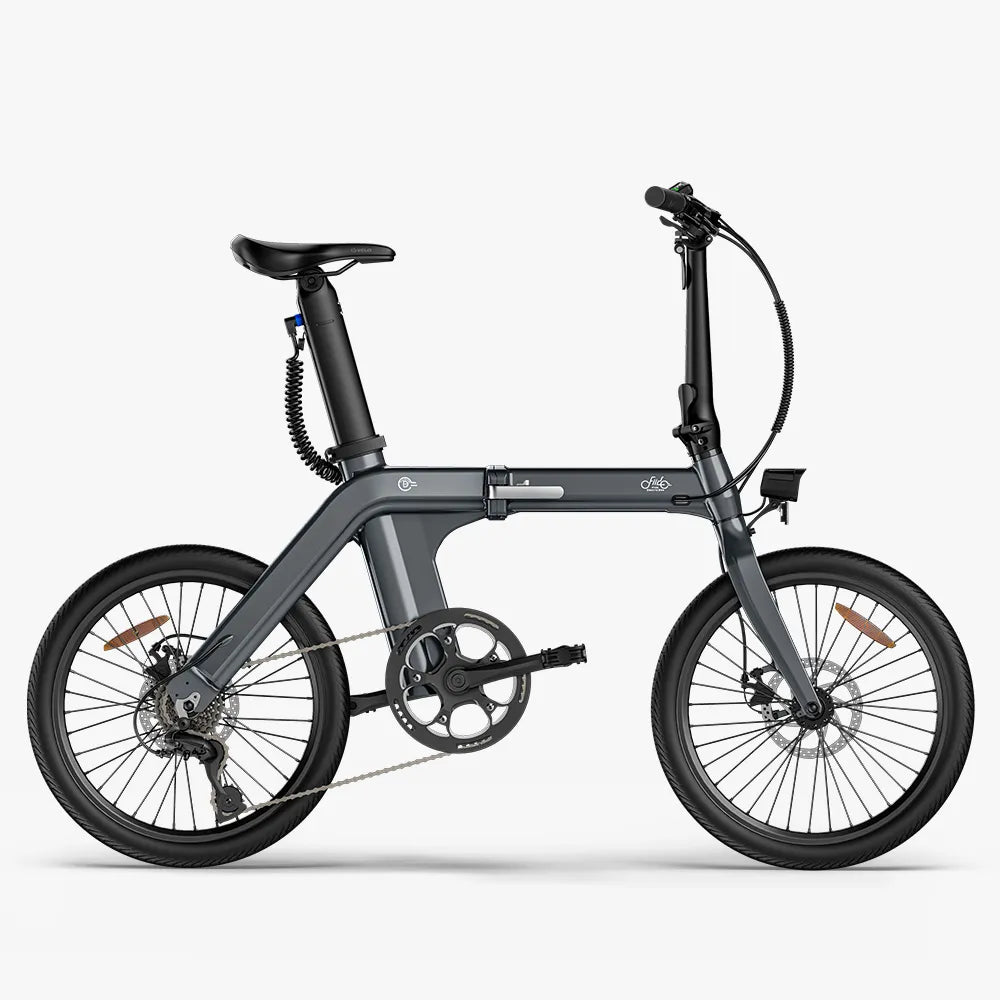
Fiido D11 Folding E-bike
Fiido D11, the best folding electric bike.
Reminder: Prices are subject to the product detail page ,some earlier card details may have been updated.

Fiido X Folding Electric Bike With Torque Sensor
IF Design Award-winning urban electric bike.
Reminder: Prices are subject to the product detail page; some earlier card details may have been updated.

Fiido M1 Pro Folding Electric Bike
Retro Style That Stands Out
Reminder: Prices are subject to the product detail page ,some earlier card details may have been updated.
Checklist for Choosing a Fat-Tire Electric Bikes
| Does this describe your commuting needs? | Your score |
| My route regularly includes rough pavement, gravel paths or other uneven surfaces suitable for this type of bike. | ☐ 1 |
| I value a more cushioned riding feel over the surfaces I use most often. | ☐ 1 |
| My commute sometimes extends beyond paved city streets onto suitable mixed terrain. | ☐ 1 |
| I have enough storage space for a bike that may be wider or heavier than a conventional commuter model. | ☐ 1 |
| I am comfortable checking tire pressure and accepting the possible weight or rolling-resistance trade-offs of wider tires. | ☐ 1 |
| Total | ___ / 5 |
-
4–5 points: A fat-tire e-bike may be worth prioritizing if its handling and specifications suit your route.
-
2–3 points: Compare fat-tire models with conventional commuter bikes and consider which tire setup better suits your actual road conditions.
-
0–1 point: You may not need the extra width of fat tires for your commute.
Best Fat-tire E-Bikes: Fiido M1 Pro vs. Fiido Titan
| Comparison factor | Fiido M1 Pro | Fiido Titan |
| Best suited to | Riders who want wide tires, suspension, and a foldable frame for mixed urban and recreational use | Riders who prioritize carrying capacity, a larger frame, and longer-distance riding |
| Bike weight | Approx. 59.1 lb (26.8 kg) | Approx. 83.3 lb (37.8 kg) |
| Tire size | 20 × 4.0 in | 26 × 4.0 in |
| Motor and torque | 250 W motor; 50 Nm listed on the current US product page | US version: 750 W motor; check the current US listing for the applicable torque specification |
| Battery and range | 556.8 Wh removable battery; up to 55.17 miles claimed | Battery configuration varies; published range is up to 115 km with one battery and up to 347 km with three batteries on the 2025 model |
| Suspension | Front suspension and rear shock absorber | Front suspension |
| Gearing and brakes | 7-speed drivetrain; hydraulic disc brakes | 9-speed drivetrain; four-piston hydraulic disc brakes |
| Maximum payload | 264.6 lb (120 kg) | Up to 440.9 lb (200 kg), subject to separate rider and rear-rack limits |
| Folding and storage | Folding frame; more compact for storage, but still heavy to lift | Non-folding frame; requires more dedicated storage space |
| Main trade-off | Lower payload capacity and a smaller wheel platform than the Titan | Much heavier, larger, and harder to store or carry |
Fiido M1 Pro Folding Electric Bike
Retro Style That Stands Out
Reminder: Prices are subject to the product detail page ,some earlier card details may have been updated.
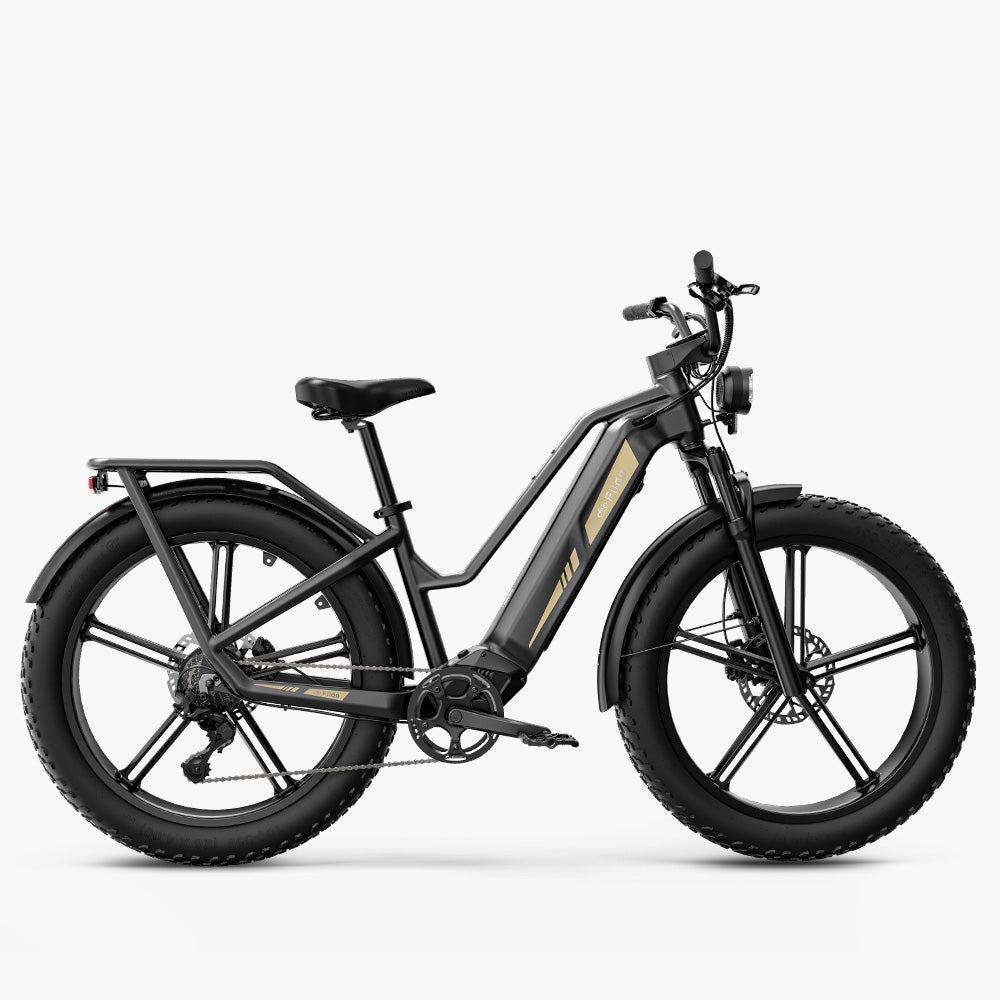
Titan Fat Tire Touring Ebike - Long Range
One of the worlds longest-range touring e-bikes, with superior cargo capability.
Reminder: Prices are subject to the product detail page ,some earlier card details may have been updated.
Checklist for Choosing a Cargo and Utility Electric Bikes
| Does this describe your commuting needs? | Your score |
| I regularly carry groceries, work equipment or other bulky items. | ☐ 1 |
| I want to carry bags on the bike instead of wearing a heavy backpack. | ☐ 1 |
| I need a dedicated rack, cargo area or compatible carrying accessories. | ☐ 1 |
| I often combine my commute with shopping, errands or other trips that involve carrying items. | ☐ 1 |
| I have enough space to store and maneuver a potentially longer or heavier bike. | ☐ 1 |
| Total | ___ / 5 |
-
4–5 points: A cargo or utility e-bike should be high on your shortlist.
-
2–3 points: A standard commuter e-bike with a compatible rack or panniers may be enough, so compare both options.
-
0–1 point: A dedicated cargo bike may be unnecessary unless you expect your carrying needs to increase.
Best Electric Cargo Bikes: Fiido T3 vs. Fiido T2 vs. Fiido T3 Max
| Comparison factor | Fiido T3 | Fiido T2 | Fiido T3 Max |
| Best suited to | Everyday errands and family trips when a more compact cargo bike is preferable | Regular cargo carrying, shopping, and family transport | Heavier loads, longer rides, and users who want optional dual-battery capacity |
| Frame design | Compact utility cargo frame | Longtail cargo frame | Extended longtail cargo frame |
| Bike weight | Approx. 72.8 lb (33 kg) | Approx. 87.1 lb (39.5 kg) | Approx. 80 lb (36.3 kg) listed for the standard configuration |
| Battery | 972 Wh, removable | 998.4 Wh, removable | 648 Wh standard; optional dual-battery setup up to 1,620 Wh |
| Published maximum range | Up to 116 miles | Up to 84.7 miles | Up to 76.6 miles standard or 199 miles with dual batteries |
| Motor and drivetrain | 250 W mid-drive motor, 100 Nm torque, 9-speed drivetrain | 750 W motor listed on the US comparison page; 55 Nm torque listed for the 2025 model | 250 W mid-drive motor, 100 Nm torque, 9-speed drivetrain |
| Maximum payload | Approx. 331 lb (150 kg) | Approx. 441 lb (200 kg) | Approx. 441 lb (200 kg) |
| Cargo-carrying design | Compact utility format for everyday loads | Longtail layout with dedicated rear cargo space | Extended rear rack designed for family carrying and larger loads |
| Additional power features | Battery compatible with the T3 Max extender setup | Check the selected version and accessories | Dual-battery option; portable power output up to 800 W on the relevant configuration |
| Main trade-off | Lower maximum payload than the T2 and T3 Max | Heavier and may require more storage space | Still heavy and bulky; extra battery capacity adds cost and is unnecessary for many short commutes |
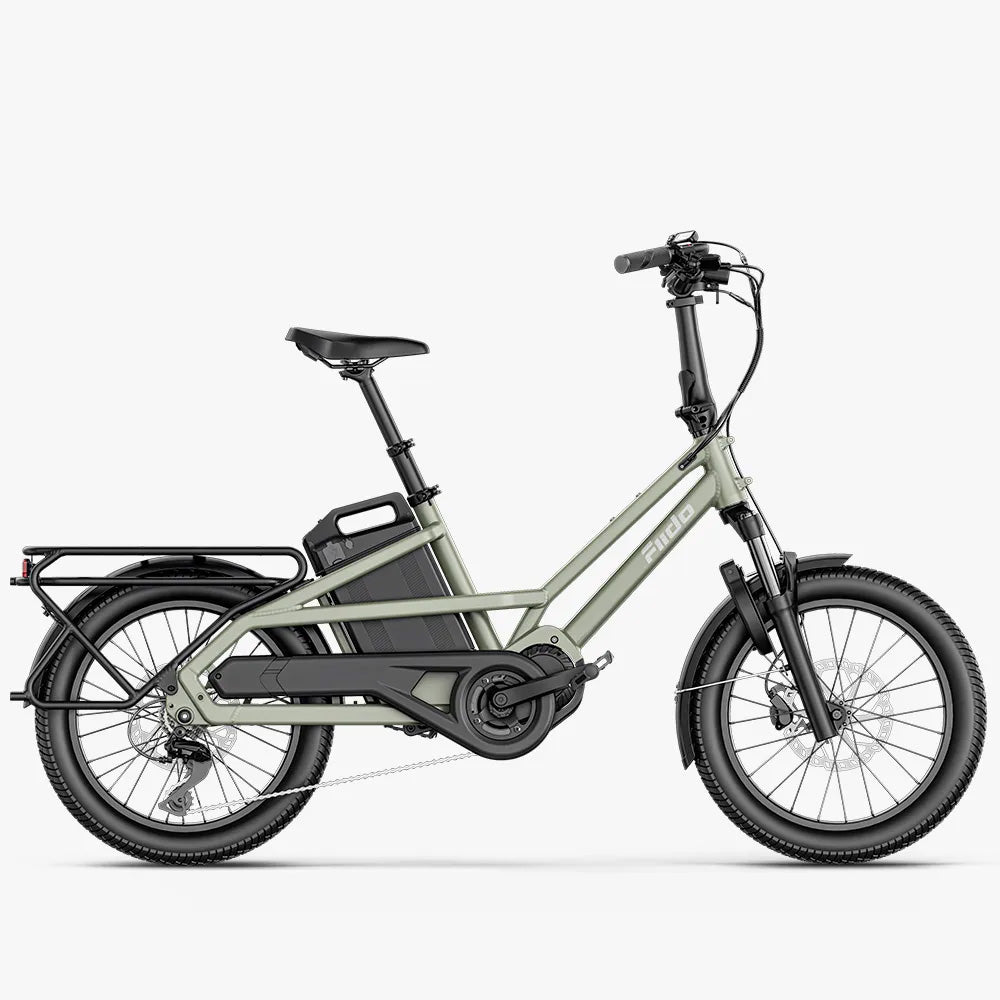
Fiido T3 Electric Cargo Bike
A practical electric cargo bike designed for everyday urban trips and carrying more on the go.
Reminder: Prices are subject to the product detail page; some earlier card details may have been updated.
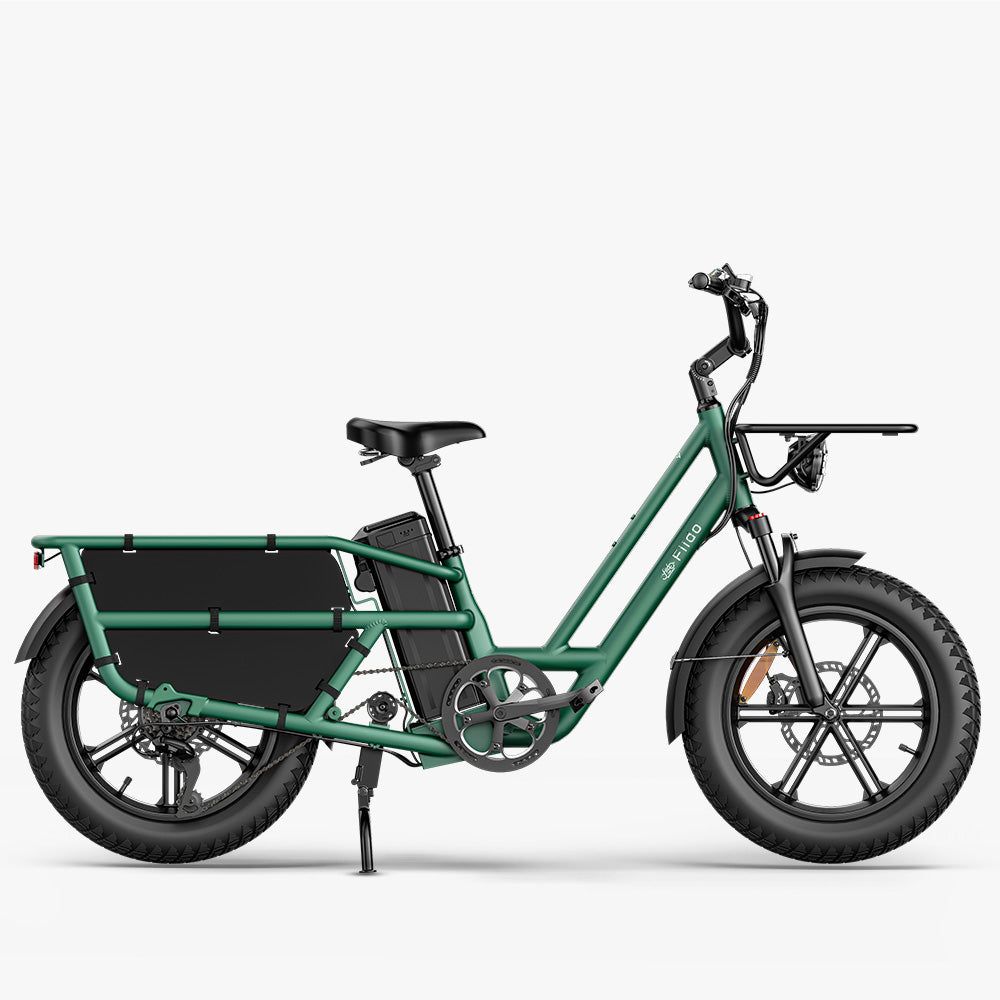
Fiido T2 Longtail Cargo E-bike
Multifunctional, family-friendly cargo ebike with endless possibilities.
Reminder: Prices are subject to the product detail page ,some earlier card details may have been updated.

Fiido T3 Max Longtail Cargo E-Bike
A longtail electric cargo bike designed for family trips, everyday errands, and carrying more on urban journeys.
Reminder: Prices are subject to the product detail page; some earlier card details may have been updated.
What If You Score Highly in More Than One Category?
-
If storage and transport are your biggest challenges, start by comparing folding e-bikes.
-
If most of your journey is on paved roads and everyday comfort is the priority, begin with city or commuter e-bikes.
-
If rough surfaces are a regular part of your route, compare fat-tire models with other bikes designed for those conditions.
-
If carrying groceries or work equipment is central to your routine, prioritize cargo capacity and compatible accessories.
Check the Specifications That Could Rule Out a Bike
Range and Battery Capacity
Weight and Storage Dimensions
Rider Fit and Carrying Capacity
Motor Performance and Gearing
Compare the Finalists by the Problem You Need to Solve
| Your main priority | What to compare first | What to watch out for |
| A practical everyday city commute | Fit, braking, pedal-assistance system, included equipment | Paying for cargo or off-road features you do not need |
| Frequent lifting or limited storage | Actual weight, frame dimensions, folded dimensions | Assuming every folding bike is easy to carry |
| Uneven surfaces and mixed riding | Tire dimensions, suspension, brakes, weight | Extra weight and rolling resistance on smooth roads |
| Regular cargo carrying | Total load limit, rack limit, frame layout, loaded-bike handling | Confusing maximum total load with rack capacity |
| Longer journeys | Battery capacity, realistic range, charging arrangements | Treating advertised maximum range as guaranteed |
| Hilly routes | Torque, gearing, drive system, braking | Judging climbing performance from one specification alone |
Consider Comfort and Everyday Practicality
Calculate the Total Cost of Ownership
Check Local E-Bike Laws and Battery Safety

Make Your Final Choice


