












Last updated: July 2026. This guide explains whether you need a licence to ride an electric bike in Europe, with a focus on the EU rules that apply to standard electrically assisted pedal cycles (EPACs), as well as the situations where a faster or more powerful bike may be treated as a moped or motor vehicle.
You may have seen US-style terms such as Class 1, Class 2 and Class 3 e-bikes. Those categories are useful in the United States, but they are not the main legal framework used across Europe. In the European Union, the key distinction is simpler: a standard pedal-assist e-bike is usually treated like a bicycle, while a speed pedelec, high-powered e-bike or throttle-powered vehicle may fall into a motor-vehicle category with extra legal requirements.
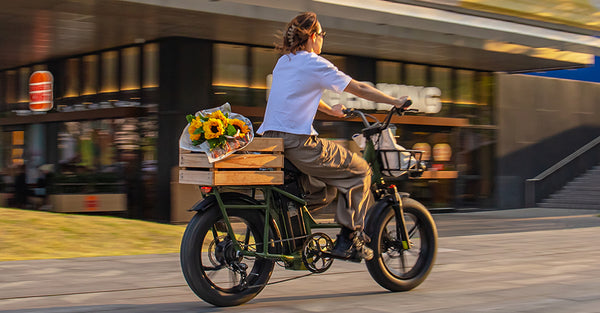
Do You Need a Licence for an Electric Bike in Europe? 2026 Update
In most European countries, you do not need a driving licence, number plate or motor-vehicle registration to ride a standard pedal-assist electric bike that meets the EU EPAC definition. Under Regulation (EU) No 168/2013, pedal cycles with pedal assistance are excluded from L-category type approval when they use an auxiliary electric motor with a maximum continuous rated power of no more than 250 W, and when the motor output is progressively reduced and finally cut off before the vehicle reaches 25 km/h or when the rider stops pedalling. You can check the official EU text here: Regulation (EU) No 168/2013 on EUR-Lex.
This means that a compliant 250 W / 25 km/h pedal-assist e-bike is generally treated as a bicycle rather than a motor vehicle. However, traffic rules still vary by country and city. Helmet rules, child age limits, cycle-path access, mobile-phone rules, alcohol limits and local trail restrictions may differ, so riders should always check the rules in the country where they plan to ride.
What Counts as a Legal E-Bike in the EU?
For everyday commuting and leisure riding, the most important category is the EPAC, also called a pedelec or pedal-assist electric bike. A compliant EPAC should behave like a bicycle with electric support, not like a small motorcycle.
| Type of electric bike | Typical EU rule | Licence / registration / insurance |
|---|---|---|
| Standard EPAC / pedelec | Pedal assistance only, motor up to 250 W, assistance cuts off before 25 km/h. | Usually treated as a bicycle. No driving licence, registration or compulsory motor-vehicle insurance in most EU countries. |
| Walk-assist function | Low-speed motor assistance for pushing the bike, often limited to around 6 km/h depending on national rules. | Usually acceptable when it remains a low-speed walk-assist feature, but riders should check local rules. |
| Throttle-powered bike | If the motor propels the bike without pedalling beyond walk-assist speed, it may no longer be treated as a standard EPAC. | May require type approval, registration, insurance, helmet or a moped-style licence, depending on the country and vehicle category. |
| Speed pedelec / S-pedelec | Pedal-assist bike that can assist up to 45 km/h, usually falling into the L1e-B moped category. | Typically requires type approval, registration, insurance, a licence and a suitable helmet. Road and cycle-path access rules vary by country. |
| Modified or de-restricted e-bike | If the limiter is removed or the bike exceeds legal speed or power limits, it may be treated as a motor vehicle. | Can trigger fines, confiscation, insurance problems and motor-vehicle compliance requirements. |
Is the US Class 1 / Class 2 / Class 3 System Used in Europe?
No. The Class 1, Class 2 and Class 3 system is mainly a US framework. In Europe, the more important legal question is whether the bike remains a standard EPAC or enters an L-category vehicle class. A 250 W pedal-assist e-bike that cuts assistance at 25 km/h is usually treated like a bicycle. A faster 45 km/h speed pedelec, a high-powered vehicle or a throttle-driven bike may be treated more like a moped.
This distinction matters for Fiido riders because the same model name may be configured differently for different markets. When buying in Europe, check the EU product page, the motor rating, the assisted speed, the presence or absence of throttle propulsion, and whether the bike is designed for local road use.
2026 Update: What Has Changed in Europe?
The core EU rule for standard EPACs has not changed: 250 W continuous rated motor power and assisted speed up to 25 km/h remain the key reference points. What has become more important in 2026 is enforcement, product safety and battery compliance.
- De-restricted e-bikes are under more scrutiny. Countries such as the Netherlands and France clearly warn that a bike modified to exceed the legal speed or power limits may no longer be treated as a bicycle.
- Battery and product safety are more important. The EU Battery Regulation, Regulation (EU) 2023/1542, is now part of the broader compliance environment for e-bike batteries, recycling and sustainability. You can review the official text here: Regulation (EU) 2023/1542.
- Consumer product safety rules are stricter. The EU General Product Safety Regulation, Regulation (EU) 2023/988, applies from 13 December 2024 and strengthens safety responsibilities for products sold in the EU, including online sales. The official text is available here: Regulation (EU) 2023/988.
Country Examples: How E-Bike Rules Differ Across Europe
EU law sets the basic technical framework, but each country can still apply its own traffic rules. The examples below show why riders should check national rules before travelling or buying.
| Country | Standard e-bike / EPAC rule | Official source |
|---|---|---|
| France | A VAE is treated like a bicycle when assistance works only while pedalling, cuts off above 25 km/h and the motor is no more than 250 W. Higher-powered or faster vehicles may need registration and may be classified as mopeds. | Service-Public.fr |
| Netherlands | A standard e-bike, electric cargo bike or compliant fatbike follows bicycle rules: no driving licence, no plate, no helmet obligation, no compulsory WA insurance, 25 km/h pedal assistance and 250 W motor power. | Rijksoverheid.nl |
| Spain | Pedal-assist bicycles that meet the EPAC definition are not included in the L-category vehicle classification and do not need homologation or registration. More powerful motorised cycles may fall into L1e-A or other motor-vehicle categories. | DGT |
| Italy | Italian road rules treat compliant pedal-assist bicycles as velocipedi when they meet the 0.25 kW / 25 km/h pedal-assist requirements. Cargo-use pedal-assist cycles may have specific provisions under Article 50. | ACI - Art. 50 Codice della Strada |
| Germany | Standard pedelecs up to 25 km/h are generally treated as bicycles. Faster S-pedelecs and throttle-driven vehicles can require insurance, type approval, a licence and a helmet. | ADAC |
Do You Need Insurance for an E-Bike in Europe?
For a compliant standard EPAC, compulsory motor-vehicle insurance is usually not required. Still, personal liability insurance is worth considering, especially for commuting, family use or cargo riding, because a cyclist may be responsible for damage caused to other people or property.
If the bike is a speed pedelec, throttle-powered vehicle, moped-style e-bike or modified vehicle outside the EPAC limits, insurance may become mandatory. In some countries, riding an illegal modified bike can also create problems if you are involved in a crash, because the vehicle may not be covered as a normal bicycle.
Where Can You Ride an Electric Bike in Europe?
A standard EPAC can usually be used wherever normal bicycles are allowed, including roads and many cycle lanes. However, local rules matter. Some cities restrict cycling on pavements, pedestrian zones, parks, forest paths or shared trails. Speed pedelecs are often treated more strictly and may be excluded from some cycle paths.
When in doubt, follow posted signs and local traffic rules. If you travel across borders, do not assume that a rule from one country applies automatically in another.
Helmet, Age and Passenger Rules
There is no single European rule for helmets or minimum age on standard e-bikes. Some countries require helmets for children, some strongly recommend helmets for all cyclists, and some apply stricter rules to speed pedelecs. Passenger rules and child-seat requirements are also national or local matters.
For safe everyday riding, use a properly fitted bicycle helmet, working lights, reflectors, a bell, reliable brakes and suitable tyres. If carrying cargo or a passenger, always respect the bike manufacturer’s payload limits and use accessories designed for that model.
Buying Safely: What to Check Before Choosing an E-Bike in 2026
Before buying an e-bike for use in Europe, check more than just the price. A safe and road-ready e-bike should clearly show its motor rating, assisted speed limit, battery specifications and manufacturer information. It should be supplied with the correct charger, safety instructions, warranty support and a reliable after-sales channel.
- Check whether the bike is configured for the European market.
- Confirm the motor is rated for standard EPAC use, normally 250 W.
- Confirm electric assistance stops before 25 km/h.
- Avoid de-restricted bikes or tuning kits for public-road use.
- Use only the manufacturer-approved charger and battery.
- Do not charge a damaged battery or leave charging unattended for long periods.
- Check local rules before riding in a new country or city.
Fiido T1 Pro Utility Electric Bike for European Everyday Riding
If you are looking for a practical e-bike for commuting, shopping and heavier everyday loads, the Fiido T1 Pro Utility Electric Bike is designed as a utility e-bike for daily use in the European market. Its 25 km/h assisted speed, large-capacity battery and high payload design make it a strong option for riders who need more carrying ability than a standard city bike.
Frequently Asked Questions About E-Bike Licences in Europe
Do I need a licence to ride an electric bike in Europe in 2026?
For a standard EU-compliant EPAC or pedelec, usually no. The bike must generally be pedal-assist, have a motor up to 250 W and cut assistance before 25 km/h. Faster or more powerful vehicles may require a licence, registration, insurance and other motor-vehicle obligations.
Is a 250 W e-bike legal in the EU?
Yes, if it is a pedal-assist bike and the motor assistance progressively reduces and cuts off before 25 km/h or when the rider stops pedalling. A 250 W motor alone is not enough; the assistance behaviour also matters.
Can I ride a 45 km/h e-bike without a licence?
Usually no. A 45 km/h speed pedelec is typically treated as an L1e-B moped-style vehicle. It normally needs type approval, registration, insurance, a suitable helmet and a licence, although the exact requirements depend on the country.
Are throttles legal on e-bikes in Europe?
A low-speed walk-assist feature is commonly allowed, but a throttle that propels the bike without pedalling beyond walk-assist speed may take the vehicle outside the standard EPAC category. In that case, it may need type approval and may be treated like a moped or other motor vehicle.
Is there a European Class 1, Class 2 and Class 3 e-bike system?
No. Europe does not mainly use the US Class 1, Class 2 and Class 3 framework. The more important European distinction is between standard EPACs, speed pedelecs and other L-category vehicles.
Do I need insurance for an e-bike in Europe?
For a compliant standard EPAC, compulsory motor-vehicle insurance is usually not required. For speed pedelecs, mopeds or modified e-bikes, insurance may be mandatory. Personal liability insurance is still worth considering for everyday cycling.
Can I ride an e-bike on cycle paths in Europe?
Standard EPACs are usually allowed where normal bicycles are allowed, including many cycle paths. Speed pedelecs and non-compliant modified e-bikes may be restricted. Always check local signs and country-specific rules.
What happens if I remove the speed limiter?
Removing or bypassing the limiter can make the bike illegal for public-road use as a standard bicycle. It may be treated as a motor vehicle, which can lead to fines, confiscation, insurance problems and licensing or registration requirements.
Are helmets mandatory for e-bikes in Europe?
Helmet rules vary by country and rider age. Some countries require helmets for children, while speed pedelecs often require approved helmets. Even when a helmet is not mandatory for a standard EPAC, wearing one is strongly recommended.
Can I travel across Europe with the same e-bike?
Yes, if the e-bike is configured as a standard EPAC and remains within the 250 W / 25 km/h pedal-assist framework. Still, traffic rules, helmet rules, passenger rules and cycle-path access can vary by country, so check local requirements before riding abroad.
Conclusion
In Europe, the answer to “Do I need a licence for an electric bike?” depends mainly on whether the bike is a standard EPAC or a faster, more powerful vehicle. For a compliant 250 W pedal-assist e-bike that cuts assistance before 25 km/h, riders usually do not need a driving licence, motor-vehicle registration or compulsory motor-vehicle insurance. But once a bike is de-restricted, throttle-powered beyond walk-assist speed or capable of 45 km/h assistance, the legal situation changes quickly.
For 2026, the safest approach is simple: choose a bike configured for the European market, avoid de-restriction, follow national traffic rules and use official government sources when checking requirements in a specific country.


