












TL;DR
One-sentence conclusion: For urban commutes of 5–15 km during peak hours, Electric Bikes are often more reliable than public transport and more cost-effective and hassle-free than cars—ideal for commuters looking to reduce stress.

1. Why More People Are Comparing These Three Modes of Commuting
In European cities, more commuters are reassessing their daily transportation:
🚗 Car: Parking is difficult, costs are high, peak-hour travel times unpredictable.
🚇 Public Transport: Schedules are fixed, often crowded, and delays are unpredictable.
🚲 eBike: Seen as a “middle ground” between a bicycle and a car.
This article is based on real data from European cities, user feedback, and urban commuting design experience. The goal isn’t to discredit any mode but to answer a practical question:
Which commuting option is best for your daily city travel?
2. Commute Time Comparison: Who Is Most Reliable During Peak Hours?
For an 8–10 km one-way urban commute (considering traffic lights and rush-hour delays):
| Mode | Avg. Commute Time | Stability |
|---|---|---|
| Public Transport | 30–45 min | ❌ Easily affected by delays |
| Car | 25–50 min | ❌ High variability during peak hours |
| eBike | 30–35 min | ✅ Highly predictable |
User Example:
Mark from Berlin used to spend 50 minutes commuting 18 km by bus. Now, riding a Fiido C11 eBike takes only 40 minutes, hardly affected by delays.
Supporting Data:
-
Peak-hour urban commutes of ~10 km typically take 39–40 minutes (TomTom Traffic Index), aligning with users’ real eBike experiences.
-
eBikes that meet EN 15194 standards provide stable pedal-assist, max 25 km/h cutoff, and safe electrical and mechanical design—ensuring predictable city riding.
3. Annual Cost Comparison: Who Is Truly “Cheapest”?
Assuming 220 working days per year:
| Item | Public Transport | Car | eBike |
|---|---|---|---|
| Direct Annual Cost | €800–1,200 | €3,000+ | €200–300 |
| Maintenance / Energy | Included | High | Low |
| Parking / Hidden Costs | Medium | High | Minimal |
Conclusion: Over the long term, eBikes usually have the lowest annual cost.
4. Flexibility & Psychological Stress: Commuting Experience Differences
🚗 Car
-
Pros: High privacy
-
Cons: Traffic jams, parking difficulties, high commuting stress
🚇 Public Transport
-
Pros: No need to drive
-
Cons: Crowded, passive waiting, delays beyond your control
🚲 eBike
-
Pros:
-
Freedom of route
-
No reliance on schedules
-
Commute is more “controllable”
-
-
Cons: Must adapt to cycling environment (relatively low barrier)
User Example:
Sofia in Paris rides 7 km daily, saving €8–10 in transportation costs while avoiding crowded public transport stress.
5. Who Is eBike Commuting Best For?
-
Daily commute: 5–15 km
-
Prefer not to arrive sweaty at work
-
Need to navigate city streets flexibly
-
Require predictable commute times
Fiido C11 City E-Bike Features:
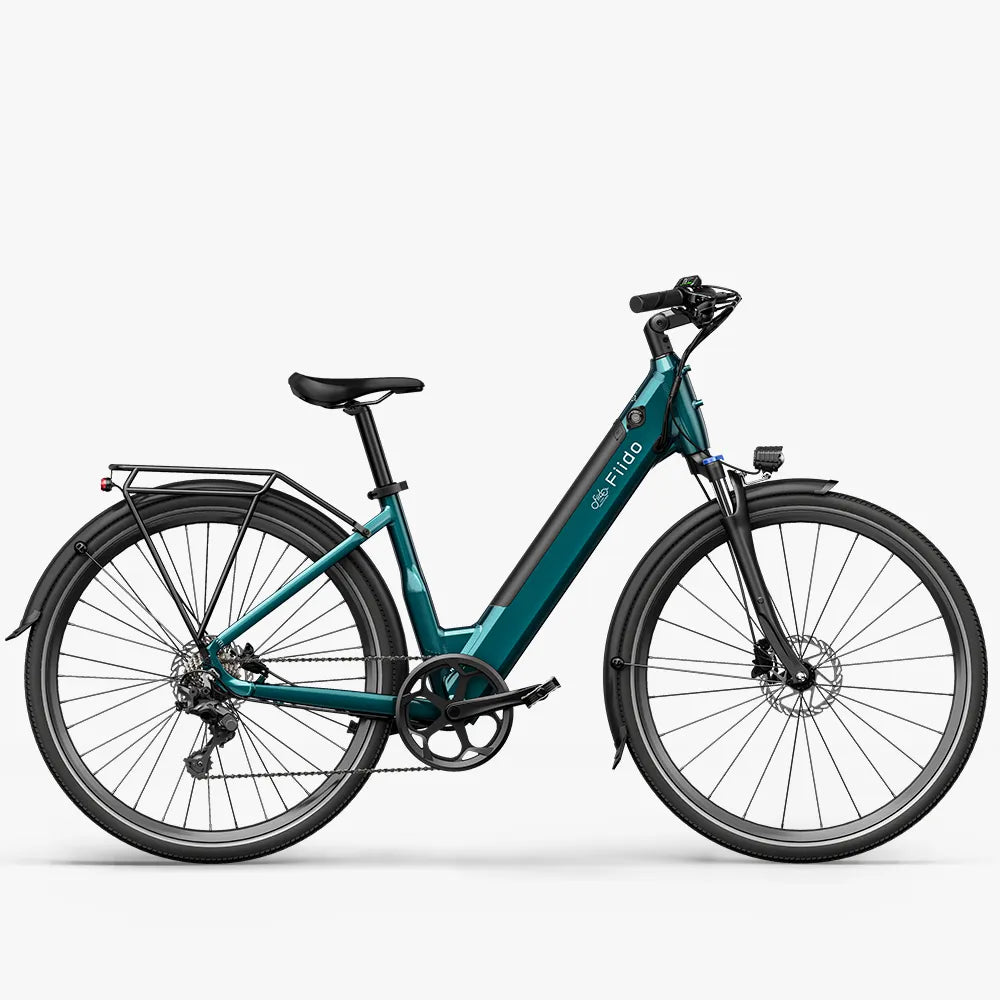
Fiido C11 City E-bike
Fiido C11 - the best electric bike for a dynamic and safe city adventure.
Reminder: Prices are subject to the product detail page ,some earlier card details may have been updated.
-
Stable power assist
-
Comfortable riding posture suitable for city streets
-
Safe braking system
-
Designed for daily commuting rather than extreme performance
6. FAQ
Q1: Can an eBike replace public transport?
A: For 10–15 km commutes, many users have made eBikes their main commuting method, keeping public transport as a backup.
Q2: What about rain or winter?
A: Proper gear and protection can improve comfort; most city eBike users ride 70–80% of workdays year-round.
Q3: Are eBikes unsafe?
A: In urban environments, a reliable braking system and stable ride are more important than speed.
7. Real-World Experience & Credibility
The advantages of eBikes in urban commuting are supported by multiple sources:
-
Regulations & Safety: EN 15194 ensures eBikes have safe, reliable motor assist, max speed cutoff, and stable design.
-
Urban Commuting Data: Peak-hour city commutes align with eBike travel times, and European cities show a growing proportion (~14%) of daily cycling commutes.
-
Independent Reviews: Media outlets such as BikeRadar, Wired, and YouTube highlight eBikes’ stable power, responsive handling, and comfortable city riding.
Summary: These sources confirm that eBikes provide predictable, low-stress, cost-effective commuting, reinforcing the conclusions from user cases and cost/time comparisons.
8. Conclusion: Which Commuting Option Is Right for You?
| Mode | Best For |
|---|---|
| Public Transport | Irregular commuters who can tolerate crowding and delays |
| Car | Long-distance commuters who value privacy |
| eBike | People seeking low-cost, flexible, reliable, low-stress commuting |
In urban commuting, eBikes are no longer just a “backup option” but have become a mainstream choice.
9. Author & Brand Information
Author: Fiido Urban Commuting Product Team
-
Product engineers / senior cycling coaches
-
10 years of European city cycling & eBike design experience
Company Info:
-
English phone support: +852-56216918 (Mon–Fri, 9 AM–10 PM UTC+8)
-
Email: Pre-sales: service@fiido.com | After-sales: support@fiido.com
Fiido Electric Bike Policies:
-
CE / UKCA / UL Certification
-
1-year warranty
-
30-day returns/exchanges
-
Free fast delivery


