












Electric bikes have become a popular solution for urban commuting, short-distance travel, and recreational riding. However, choosing between a lightweight electric bike and a standard electric bike is not just about price or motor power. Factors such as weight, handling, battery efficiency, portability, and daily usability play a critical role.
This article provides a comprehensive multi-dimensional comparison of lightweight and standard e-bikes, incorporating real-world riding scenarios and user examples, helping you make an informed choice.
For a broader perspective on lightweight e-bike categories, design considerations, and how to choose the right model for your needs, readers can refer to our a guide to buying lightweight electric bikes.

1. Weight and Portability
| Bike Type | Weight Range | Portability | Practical Scenarios |
|---|---|---|---|
| Lightweight E-Bike | Carbon fiber: 12–16 kg / Aluminum: 16–26 kg | ✅ Easy to carry | Stairs, elevators, indoor storage, short commutes |
| Standard E-Bike | 20–30+ kg | ❌ Difficult | Long-distance rides, suburban routes, heavy-load scenarios |
In-depth analysis:
Lightweight e-bikes can easily be taken into offices, elevators, or small storage spaces, reducing everyday friction. Standard e-bikes are heavier, making carrying and storage more cumbersome and potentially discouraging daily use.
User Example:
Ms. Li needs to bring her e-bike into her office daily. Her lightweight e-bike is easy to lift, while her previous standard bike required considerable effort, making daily commuting more exhausting.
2. Motor Load and Acceleration
| Bike Type | Start Acceleration | High-Speed Stability | Urban Stop-and-Go Efficiency |
|---|---|---|---|
| Lightweight E-Bike | ✅ Fast | ⚪ Moderate | ✅ High efficiency |
| Standard E-Bike | ⚪ Slower | ✅ High | ⚪ Moderate efficiency |
Analysis:
Lightweight bikes reduce inertia and motor load, allowing quicker acceleration (1–1.5 seconds to peak assist), which is advantageous in city stop-and-go traffic. Standard e-bikes, being heavier, require more motor power to start but remain more stable at high speeds.
Quantitative example:
With a 10 kg weight difference, in low-speed urban riding (~15 km/h) with frequent stops, lightweight e-bikes can consume 10–15% less energy than standard e-bikes, extending effective city range.
3. Range and Energy Efficiency
| Bike Type | Battery Capacity | Urban Short-Range | Long-Distance Range | Efficiency |
|---|---|---|---|---|
| Lightweight E-Bike | 36V 10–12Ah | 50–65 km | 35–50 km | Low motor load, efficient for stop-and-go traffic |
| Standard E-Bike | 36V 12–15Ah | 45–55 km | 60–80 km | High-speed stable, low-speed stop-and-go less efficient |
Analysis:
Lightweight e-bikes are more efficient in short city rides, especially with frequent traffic lights and elevation changes. Standard e-bikes excel in sustained high-speed rides but consume more energy in stop-and-go conditions.
4. Frame Material and Handling
| Bike Type | Frame Material | Weight | Comfort | Portability | Handling Considerations |
|---|---|---|---|---|---|
| Lightweight E-Bike | Carbon Fiber / Lightweight Aluminum | 12–26 kg | Easy starts, agile handling | ✅ High | Avoid sharp or heavy impacts |
| Standard E-Bike | Aluminum / Steel Alloy | 20–30+ kg | Stable at high speed | ❌ Low | Durable, but heavy to carry |
Analysis:
Carbon fiber lightweight bikes are ideal for frequent city use requiring agility but are more sensitive to impacts. Aluminum or steel standard e-bikes are robust and stable, ideal for carrying loads or long-distance rides.
5. Urban Commuting Suitability
| Scenario | Lightweight E-Bike | Standard E-Bike |
|---|---|---|
| Stairs/Elevators | ✅ Easy | ❌ Difficult |
| Congested Streets | ✅ Agile | ⚪ Heavier handling |
| Indoor Charging | ✅ Removable battery | ⚪ Fixed battery, requires moving entire bike |
| Parking Space | ✅ Fits small spaces | ⚪ Needs more space |
Analysis:
Lightweight e-bikes reduce friction in city commuting and are more likely to be used regularly. Standard e-bikes, due to size and weight, may be less convenient for daily urban use.
6. User Group Suitability
-
Women and smaller riders: Lightweight bikes improve handling and confidence; step-through frames increase safety.
-
Older adults or those with limited strength: Lightweight bikes reduce effort when mounting, dismounting, or carrying, extending independence.
-
Long-distance commuters or heavy-load riders: Standard e-bikes provide more stability and better high-speed or cargo handling.
User Example:
Mr. Zhang, 67, found that a lightweight aluminum e-bike allowed him to push it into his garage easily, whereas his previous standard bike required assistance, enhancing his independence.
7. Step-Through vs Standard Frames
-
Step-through lightweight bikes: Enable effortless mounting and dismounting, ideal for frequent stops and city commuting.
-
Standard frame bikes: Provide stability on longer rides and uphill climbs but are less convenient for frequent stops.
8. Comprehensive Comparison
| Dimension | Lightweight E-Bike | Standard E-Bike |
|---|---|---|
| Weight & Portability | ✅ Light, easy to carry | ❌ Heavy, difficult to transport |
| Acceleration & Start | ✅ Fast | ⚪ Slower |
| High-Speed Stability | ⚪ Moderate | ✅ High |
| Battery Efficiency | ✅ Efficient in short city rides | ⚪ Efficient for long-distance, low efficiency in stop-and-go |
| Handling & Agility | ✅ Agile | ⚪ Stable but heavier |
| Daily Usability | ✅ High convenience | ⚪ Limited by space and weight |
| Suitable Users | Women, seniors, short-distance commuters | Long-distance, heavy-load, high-speed riders |
9. Decision Guidelines
-
Short-distance city commuting with frequent stops and portability needs → Lightweight e-bike is the best choice.
-
Long-distance riding, carrying cargo, or high-speed stability → Standard e-bike is more suitable.
-
Lightweight e-bikes with removable batteries and step-through frames maximize urban commuting convenience.
10. Recommended Lightweight E-Bikes: Fiido Series
🚴♂️ Fiido C11 – Balanced Urban Commuter
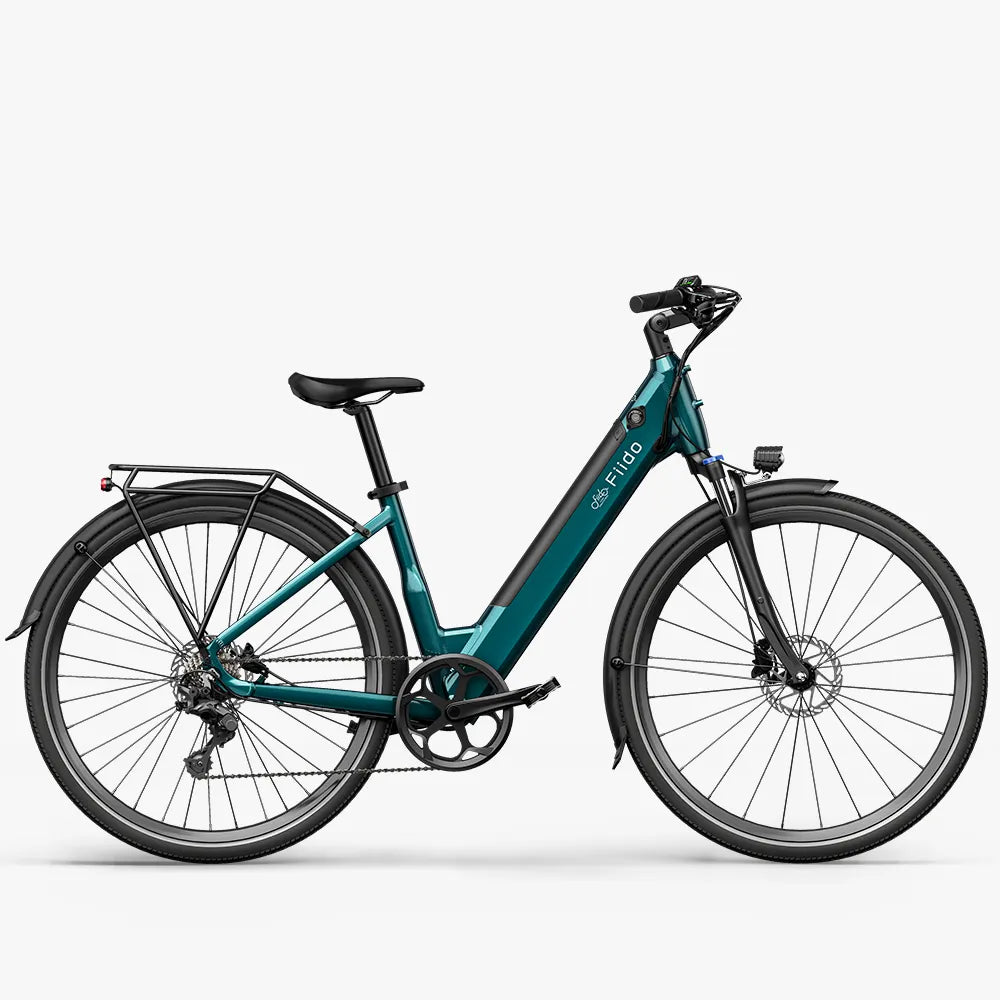
Fiido C11 City E-bike
Fiido C11 - the best electric bike for a dynamic and safe city adventure.
Reminder: Prices are subject to the product detail page ,some earlier card details may have been updated.
The Fiido C11 features an aluminum alloy frame and front suspension, suitable for daily commuting and short urban rides. With a 36V motor and removable battery, it can achieve up to 90 km of assisted range. Its moderate weight allows easy storage and indoor charging.
Best for: Comfortable city commuting, some hill climbing, balanced range and convenience.
🚴♀️ Fiido C21 – Lightweight & Agile
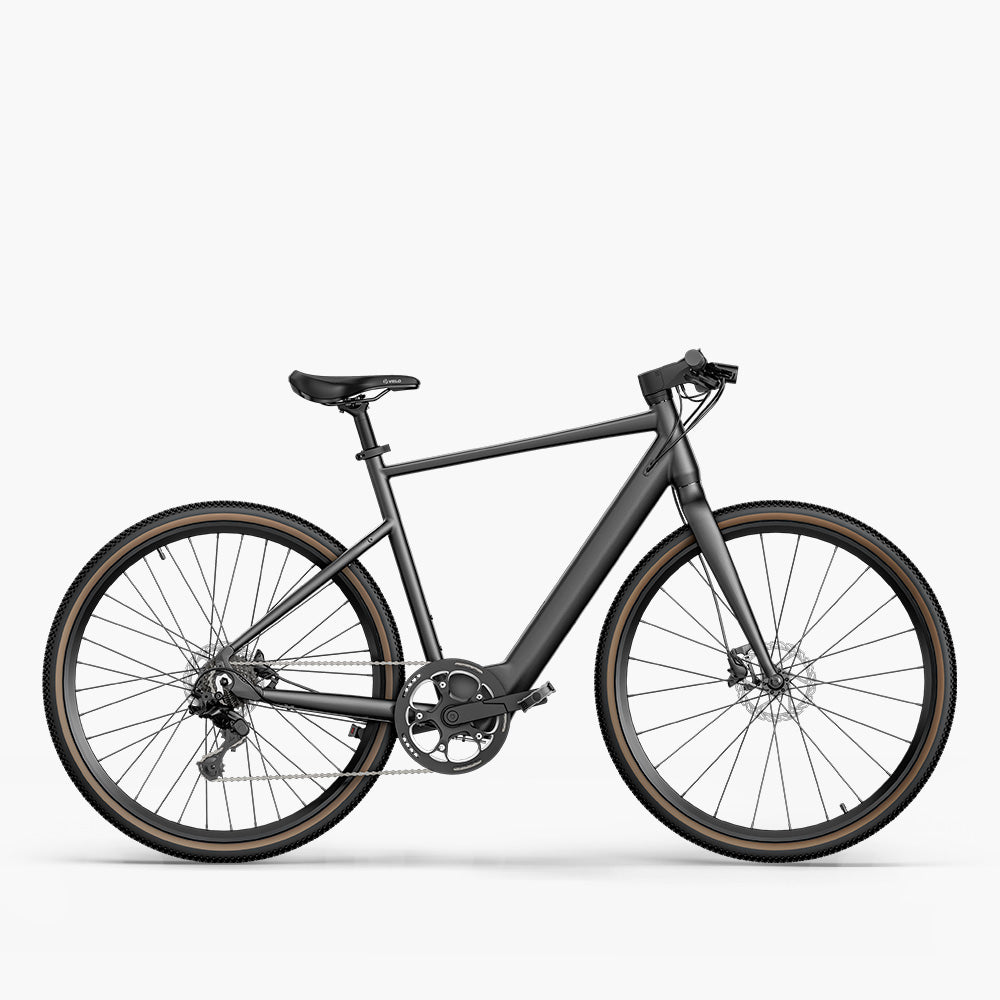
Fiido C21 E-gravel & city E-bike
Urban commuter electric bike with torque sensor, only 17.5kg.
Reminder: Prices are subject to the product detail page ,some earlier card details may have been updated.
The Fiido C21 weighs approximately 17.5 kg, making it highly portable and easy to handle. Equipped with a torque sensor and 9-speed system, it performs well in city streets, weekend rides, and light off-road paths.
Best for: Riders who prioritize lightness, agility, and natural handling.
🪶 Fiido Air – Ultra-Light Carbon Fiber Design
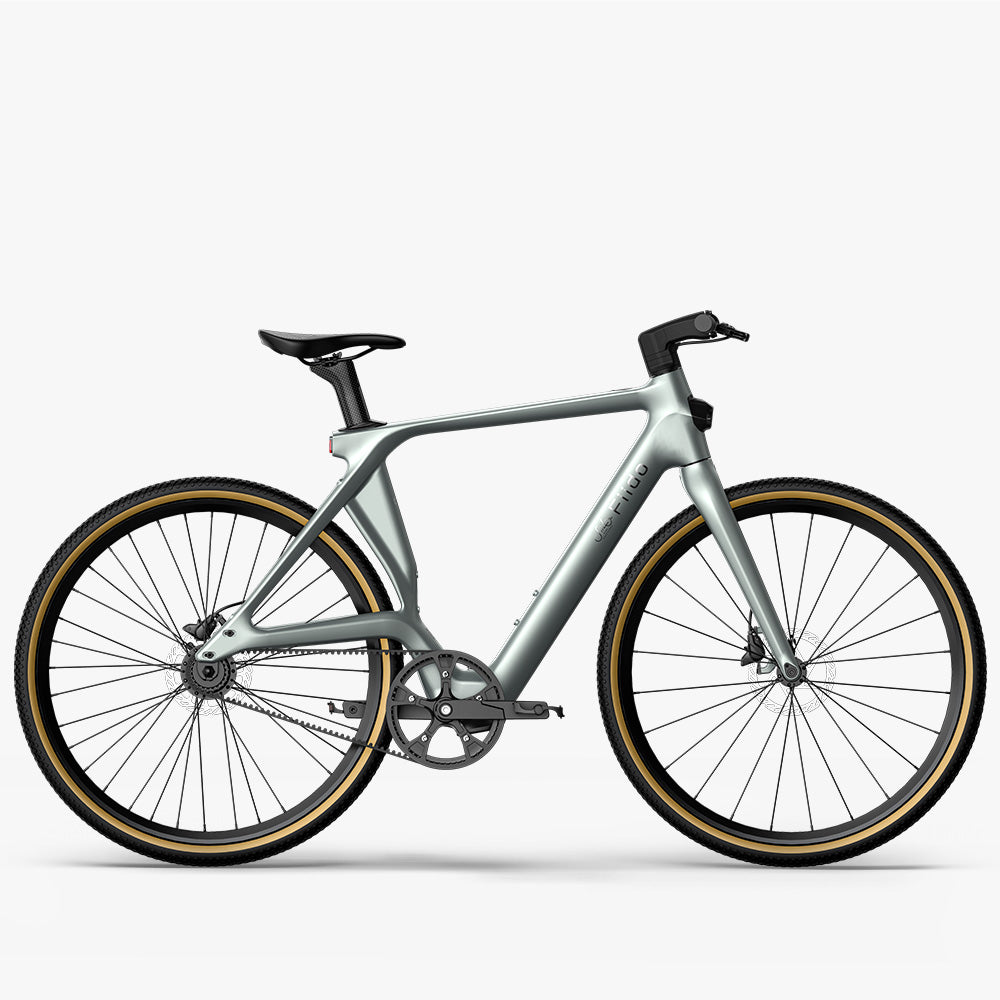
Fiido Air Carbon Fiber E-bike
A revolutionary lightweight bike, winner of the Red Dot Award.
Reminder: Prices are subject to the product detail page ,some earlier card details may have been updated.
The Fiido Air weighs around 13.7 kg, making it the lightest among the three. Its carbon fiber frame provides a near-traditional bike feel with excellent portability. Ideal for indoor storage, stair climbing, or riders who value the lightest possible e-bike experience.
Best for: Maximum portability, premium ride feel, urban commuting with frequent carrying.
These three models demonstrate how lightweight e-bike design can target comfort (C11), agility (C21), and extreme portability (Air). Choosing the right model depends on commute distance, storage space, physical strength, and riding preferences.
11. Conclusion
The difference between lightweight and standard electric bikes is not just in weight—it affects riding efficiency, urban suitability, daily convenience, and overall experience. By considering factors such as commuting distance, carrying needs, handling preferences, and battery requirements, you can select the e-bike that fits your lifestyle and ensures a comfortable, consistent riding experience.


