












For many riders, winter riding isn’t about adventure — it’s about getting to work on time, safely and reliably. As winter settles in, you might be wondering: “Should I still ride my bike to work today?” This question isn’t hypothetical. Many winter commuters across Canada, Northern Europe, and the northern United States ride electric bikes through snow-covered streets every year.
You might have already looked up questions like:
-
Can you ride an electric bike in the snow?
-
Are electric bikes good in snow?
Based on real-world winter commuting experience and feedback from long-term e-bike riders, snowy conditions don’t automatically mean unsafe riding — if your bike and setup are right. especially when the first snowflakes start to fall.
In fact, many riders in North America and Europe are embracing electric bikes for snow as their go-to commuting solution. Let’s explore why.

Why Electric Bikes Make Winter Commuting More Reliable
Winter commuting presents unique challenges that go beyond riding conditions. Snowy mornings often mean slower traffic, delayed public transport, and limited parking availability. For many commuters, electric bikes offer a reliable alternative that keeps travel time consistent even when weather disrupts other options.
Unlike cars stuck in congestion or buses affected by delays, an electric bike allows commuters to follow predictable routes, maintain steady speeds, and arrive on time — even in snow-covered conditions.
Why Do You Need the Right Electric Bike for Snowy Days?
When it snows, it’s not just the temperature that changes — so do the challenges of biking. Roads become slippery, visibility drops, and even the most experienced cyclists can find themselves slipping and sliding on icy roads.
The key difference between riding a regular bike and an electric bike in snowy weather is the extra stability and power that an e-bike provides. A motor can give you the necessary assistance when pushing through thick snow, and the right tires can prevent slipping, allowing for safer, smoother rides.
But it’s not just about any e-bike — you need the right kind.
What Makes a Fat Tire Electric Bike Ideal for Snowy Conditions?
From a physics standpoint, wider tires lower ground pressure by distributing weight across a larger contact patch. This improves traction on soft snow and slush, similar to how snowshoes prevent sinking. Lower tire pressure (typically 8–15 PSI for fat tires in snow) further enhances grip and control.
Fat Tires and Snowy Roads:
-
Increased Stability: Fat tires offer better traction, allowing you to ride with confidence even in deep snow.
-
Better Control: With wider tires, your bike won’t slide as easily on icy or slushy roads.
-
Improved Durability: Fat tires are designed to withstand more pressure, making them ideal for winter weather where roads can be unpredictable.
So, if you’ve ever wondered are electric bikes good in snow, the answer is a resounding yes — if they’re equipped with fat tires.
Common Snowy Commute Scenarios — and How the Right E-Bike Helps
Morning rides on partially cleared bike lanes
Snow is often unevenly cleared in cities, leaving patches of slush and compacted snow. Fat tire electric bikes maintain traction and balance in these inconsistent conditions.
Stop-and-go traffic at intersections
Electric assist helps commuters restart smoothly at traffic lights without slipping, even when roads are slick.
Cold starts and short daily trips
For typical 5–15 km commutes, e-bikes reduce physical strain in heavy winter clothing while keeping riders warm without excessive sweating.
Why Fiido Titan and Fiido T2 Are Perfect for Snowy Commutes in North America and Europe
Now that we know fat tires are the key, let’s talk about the specific electric bikes that make snow commuting not only safe but enjoyable. For this, Fiido offers two great options: Fiido Titan and Fiido T2.
Fiido Titan — Built for Long, Demanding Winter Commutes
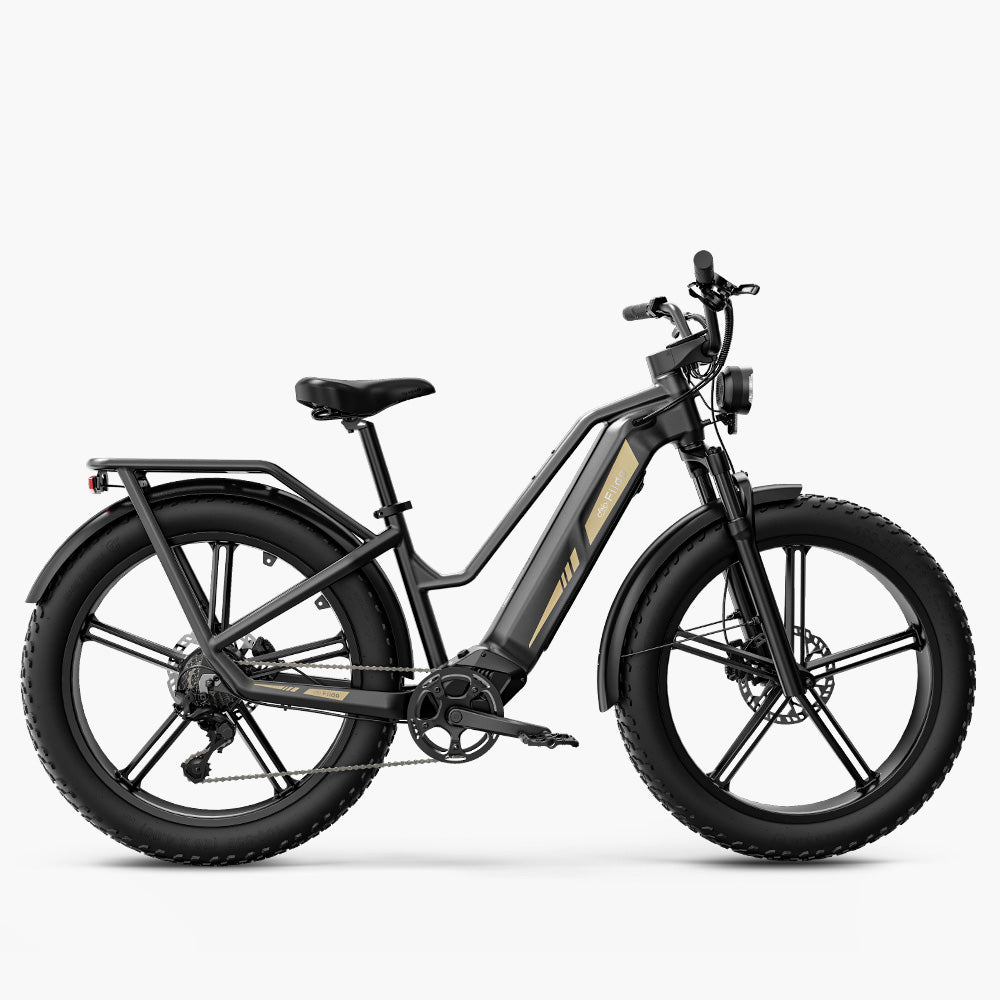
Titan Fat Tire Touring Ebike - Long Range
One of the worlds longest-range touring e-bikes, with superior cargo capability.
Reminder: Prices are subject to the product detail page ,some earlier card details may have been updated.
-
Fat Tires: The Fiido Titan is equipped with robust 4-inch wide tires, providing unmatched stability and comfort on snowy or rough terrain.
-
Powerful Motor: With a 750W motor, the Fiido Titan can easily handle inclines and challenging conditions, whether you're riding through snow or slush.
-
Durability: The Titan’s durable build is perfect for winter’s rough roads. Whether you're commuting in a snowstorm or encountering ice patches, the Titan is built to last.
The Fiido Titan isn’t just for snow; it’s a rugged commuter designed to tackle all types of terrain, making it a go-to choice for winter cyclists in North America where snow is more frequent. For commuters covering longer distances in winter conditions, stability, power, and reliability matter more than speed.
Fiido T2 — The Versatile Winter Commuter
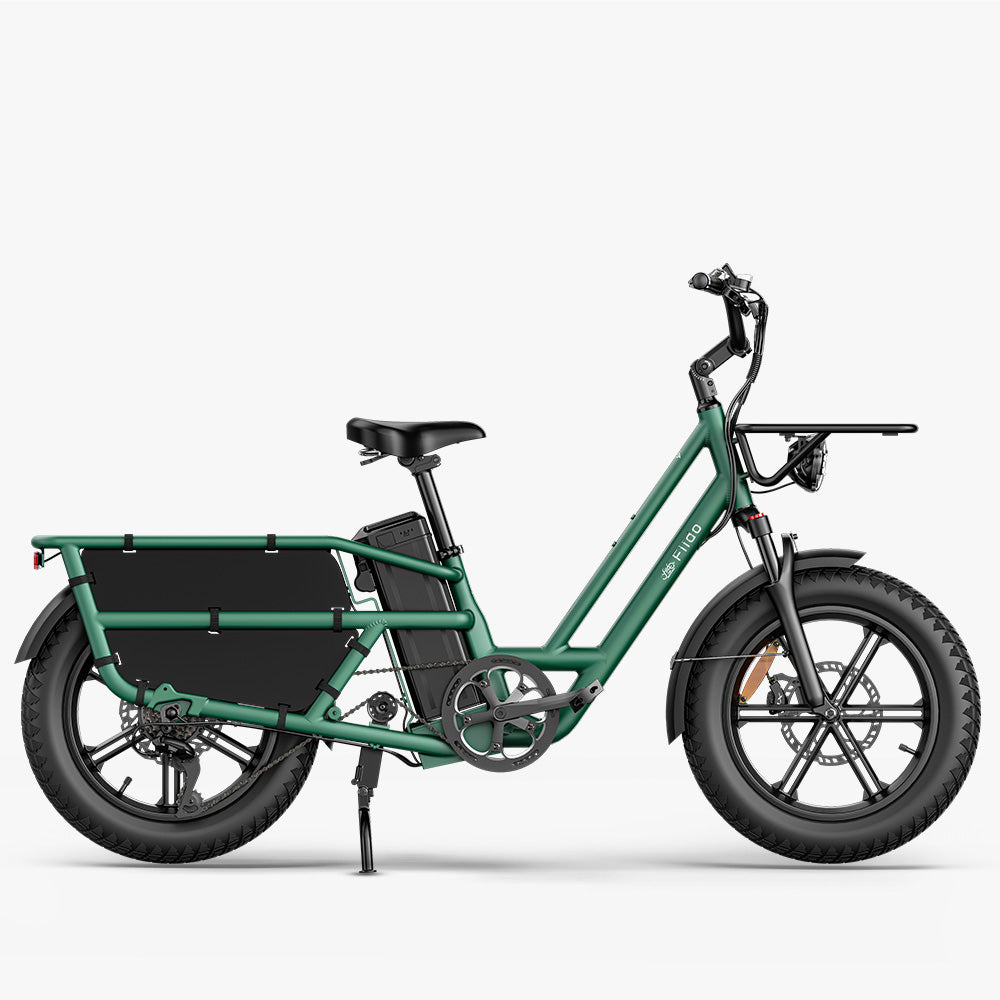
Fiido T2 Longtail Cargo E-bike
Multifunctional, family-friendly cargo ebike with endless possibilities.
Reminder: Prices are subject to the product detail page ,some earlier card details may have been updated.
-
Compact & Efficient: If you need a more compact solution, the Fiido T2 is a lightweight folding e-bike with fat tires. It’s ideal for short commutes or for carrying your bike into public transport when needed.
-
Great for City Commutes: While the Fiido Titan excels on long, tough rides, the T2 is perfect for urban snow commutes, especially when snow builds up on sidewalks and streets.
-
Portable and Flexible: The T2 can be easily folded and stored in tight spaces, making it a great choice for commuters who need to balance snow cycling with public transport or office storage.
While the Fiido Titan performs exceptionally well in snow, riders should still adjust their riding style in winter conditions. Sudden acceleration, sharp turns, and high speeds can reduce traction even on fat tires. Like any winter vehicle, safe operation depends on both equipment and rider behavior.
Can Electric Bikes Get Wet? The Answer for Winter Cyclists
If you’re in a region where snow often turns to slush, you may be wondering: can electric bikes get wet?
The good news is that electric bikes are designed to withstand various weather conditions, including rain, slush, and snow. While it's always important to avoid prolonged exposure to water, modern electric bikes like the Fiido Titan and Fiido T2 come with waterproof battery enclosures and sealed motors to protect sensitive components from the elements.
Most commuter e-bikes are rated at least IPX4 or higher, meaning they are designed to handle rain, snow, and road splash. However, submerging components or storing a wet bike indoors without drying can still lead to long-term damage.
Is Snowy Commuting Right for You? Here's How to Decide
If you're unsure whether snow biking is right for you, ask yourself these questions:
-
Do you live in an area with frequent snow or icy roads?
If yes, a fat tire electric bike like the Fiido Titan is a perfect fit. -
Are you looking for a bike that can handle both snow and city streets?
A model like the Fiido T2 might be your best choice, providing flexibility and portability for both winter commutes and city cycling. -
Do you want a bike that can handle both snowy conditions and tough inclines?
The Fiido Titan’s motor power and stability make it ideal for more rugged conditions.
Winter E-Bike Safety Tips from Experienced Snow Riders
Based on feedback from winter commuters and long-distance e-bike users, here are a few practical tips for riding safely in snow:
Reduce tire pressure for better grip on snow and ice
Use pedal assist instead of full throttle to avoid wheel spin
Brake earlier and more gently than in dry conditions
Clean salt and slush off your bike after every ride to prevent corrosion
Wear reflective winter gear to improve visibility in low-light conditions
Conclusion: Ride Safely, Ride Confidently in Snowy Conditions with Fiido
Riding an electric bike in the snow doesn’t have to be a hassle. With the right equipment, snow commutes can be just as safe and efficient as any other season. Whether you choose the Fiido Titan for its robust fat tires and power or the Fiido T2 for its portability and versatility, you can ride with confidence, no matter what the weather throws at you.
So, next time you ask, can you ride an electric bike in the snow, remember: with the right bike, snow is just another part of your ride.
Get ready to embrace the winter commute with Fiido, your go-to brand for electric bikes that work in any weather.

Frequently Asked Questions (FAQ)
1. Is it safe to ride an electric bike in the snow?
Yes — riding an electric bike in the snow can be safe with the right bike setup and cautious riding habits. Fat tires improve traction on snow and slush, while electric assistance helps maintain steady movement. Riders should slow down, brake early, and avoid sudden turns, especially on icy roads.
2. Are electric bikes better than regular bikes for snowy conditions?
In many cases, yes. Electric bikes provide additional power that helps riders move smoothly through snow-covered roads where a regular bike may struggle. When equipped with fat tires, e-bikes offer improved stability and control compared to standard bicycles.
3. What tires are best for riding an e-bike in the snow?
Fat tires are the most effective option for snowy conditions. Their wider surface area distributes weight more evenly and improves grip on snow and slush. Slightly lowering tire pressure within the recommended range can further enhance traction during winter rides.
4. Can electric bikes get wet from snow and slush?
Yes. Most modern electric bikes are built to handle snow, slush, and rain. Batteries and motors are typically sealed to resist moisture. However, riders should avoid deep water, clean the bike after wet rides, and store it in a dry environment to protect components over time.
5. Does cold weather affect e-bike battery performance?
Yes. Cold temperatures can temporarily reduce battery range. To minimize this effect, store and charge the battery indoors at room temperature when possible and avoid fully draining the battery in winter conditions.


